

CNC Router Accuracy Inspection and Quality Control: How We Ensure Reliable Machine Performance
Choosing a CNC router is an important investment for any woodworking business. Whether you manufacture kitchen cabinets, furniture components, doors, or custom wood products, machine accuracy and reliability directly affect your production efficiency and finished product quality.
At QUEEN CNC, we believe that machine quality is not determined by appearance alone. It depends on the quality of mechanical assembly, the accuracy of installation, the performance of key components, and the inspection process completed before shipment.
As a CNC router manufacturer in China, we pay close attention to accuracy throughout machine installation, testing, and final inspection. Our goal is to provide practical, reliable CNC solutions for customers in Europe, North America, Australia, and other international markets.
Why Is CNC Router Accuracy Important?
CNC router accuracy affects the consistency of machined parts, the fit between components, and the quality of finished products. For furniture and cabinet manufacturers, accurate machining helps reduce unnecessary rework and maintain consistent production results.
Several factors can influence CNC machine accuracy:
-
Mechanical frame construction and assembly
-
Guide rails, rack-and-pinion systems, and ball screws
-
Spindle alignment and installation
-
Axis movement and machine calibration
-
CNC controller settings and servo performance
-
Machine maintenance and operating conditions
Even when a machine uses quality components, proper assembly and inspection remain essential. This is why we consider accuracy verification an important part of our manufacturing process.
How We Inspect CNC Router Accuracy During Installation
1. Checking Mechanical Assembly
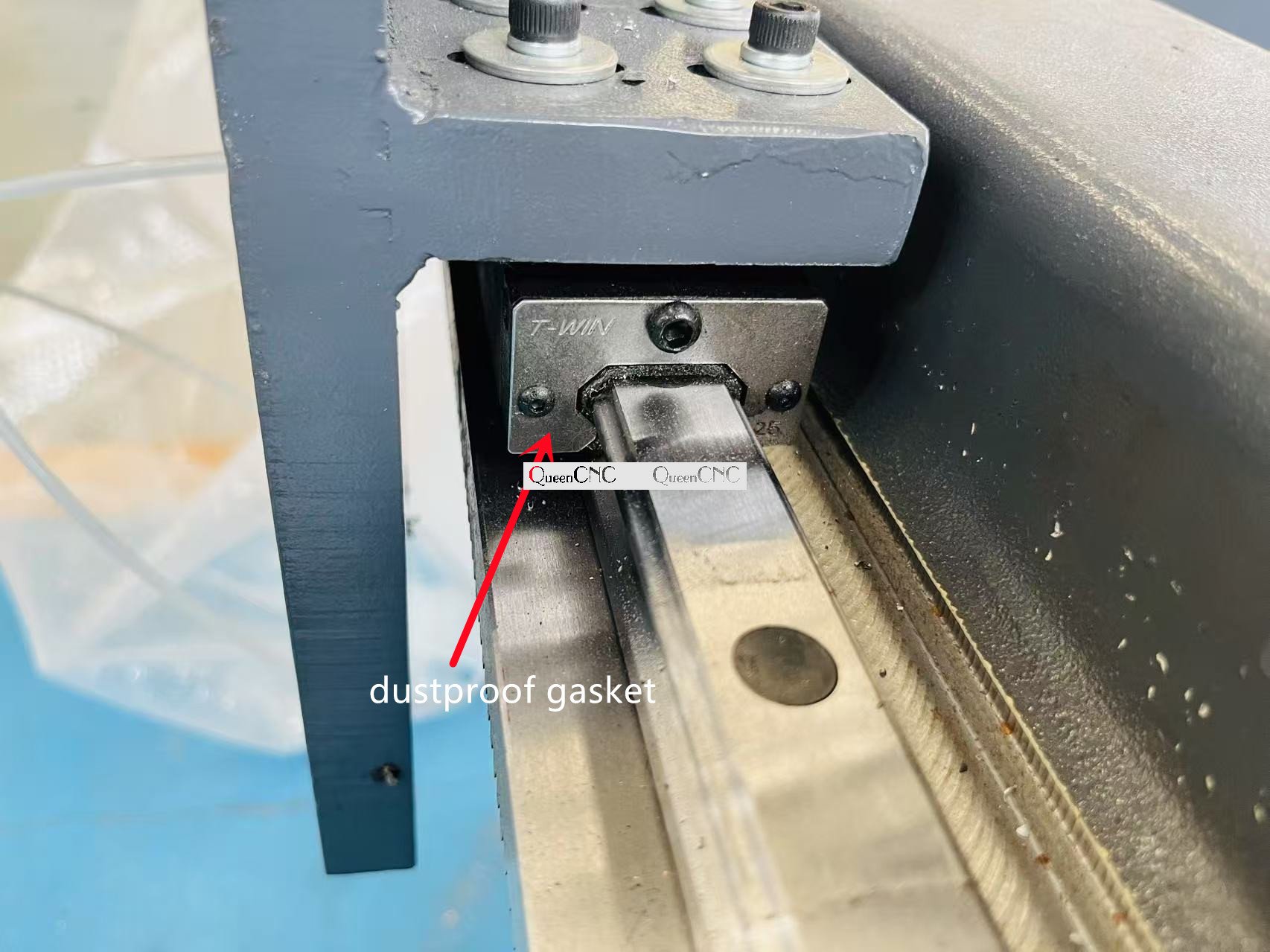
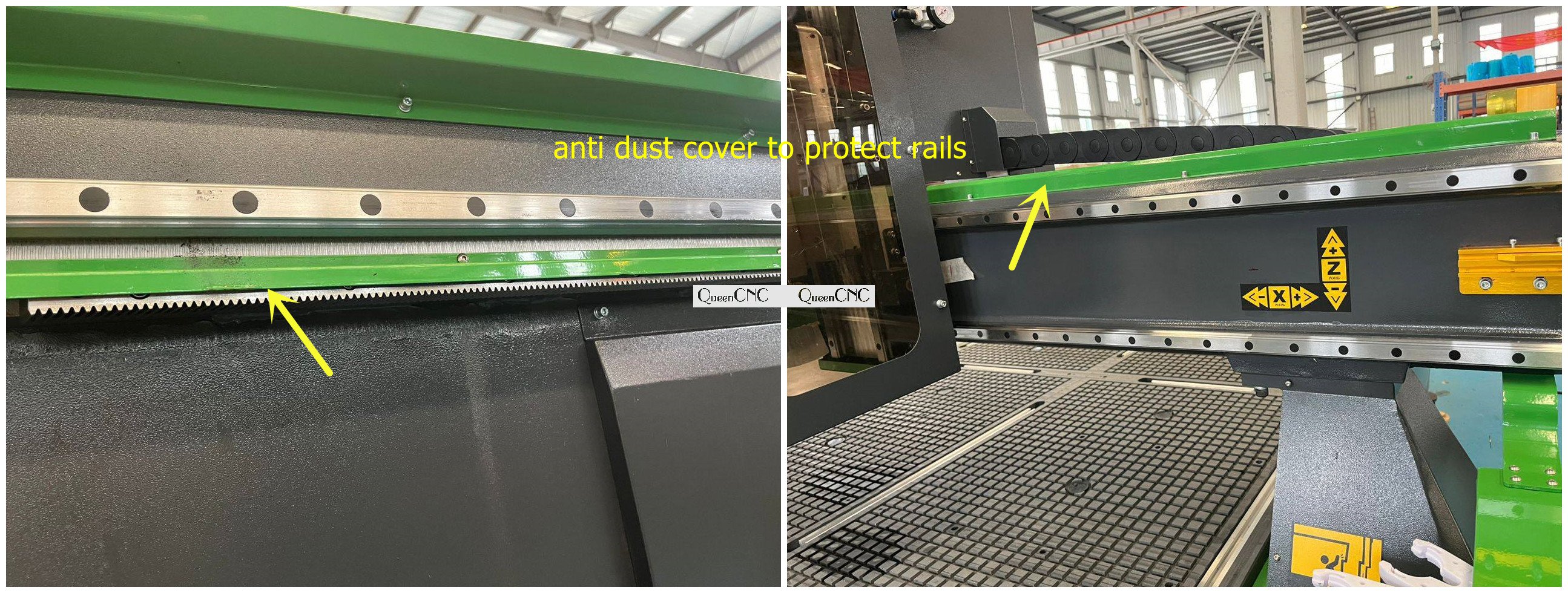
Before completing machine installation, we inspect the mechanical structure and the assembly of key components. The frame, guide rails, transmission system, and spindle mounting must be installed correctly to support stable machine movement.
Careful assembly provides the foundation for accurate machining. It also helps identify potential mechanical issues before the machine moves to the next testing stage.
2. Using a Dial Indicator to Check Accuracy
A dial indicator is a useful inspection tool for checking mechanical alignment, displacement, and repeatable movement at selected measurement points.
During installation, we use appropriate measuring methods to check machine accuracy and identify deviations that may require adjustment. The inspection points depend on the machine structure and the component being tested.
If a measurement indicates a problem, the relevant component can be adjusted and checked again before the installation process is completed.
This process helps us verify the mechanical condition of the machine rather than relying only on visual inspection.
3. Checking Spindle Alignment
Spindle alignment is another important consideration in CNC router quality control.
Incorrect spindle alignment can affect cutting geometry and the consistency of machined surfaces. Depending on the machine configuration, inspection may include checking spindle orientation relative to the machine table and verifying alignment across relevant directions.
These checks help ensure that the spindle is installed correctly and that the machine is prepared for subsequent testing.
CNC Router Quality Control Before Shipment
Installation inspection is only one part of the process. Before shipment, a CNC router should undergo additional checks to verify its overall condition and readiness for delivery.
1. Axis Movement and Operational Checks
The X, Y, and Z axes are checked for proper movement and operation. Where applicable, the inspection also covers the tool-changing system, drilling units, automatic loading equipment, labeling systems, and other configured functions.
For ATC CNC routers, the automatic tool-changing process should be checked as part of the machine's operational verification.
The exact inspection procedure depends on the machine model and its configuration.
2. Spindle and Main Component Inspection
Key components are checked to confirm proper installation and operation. These may include the spindle, servo motors, drive system, CNC controller, electrical cabinet, and vacuum system when included in the configuration.
For woodworking CNC routers, the vacuum table and workholding system are also important because secure material positioning supports consistent machining results.
3. Test Runs and Functional Verification
Operating the machine allows inspectors to check axis movement, control response, and the operation of configured functions.
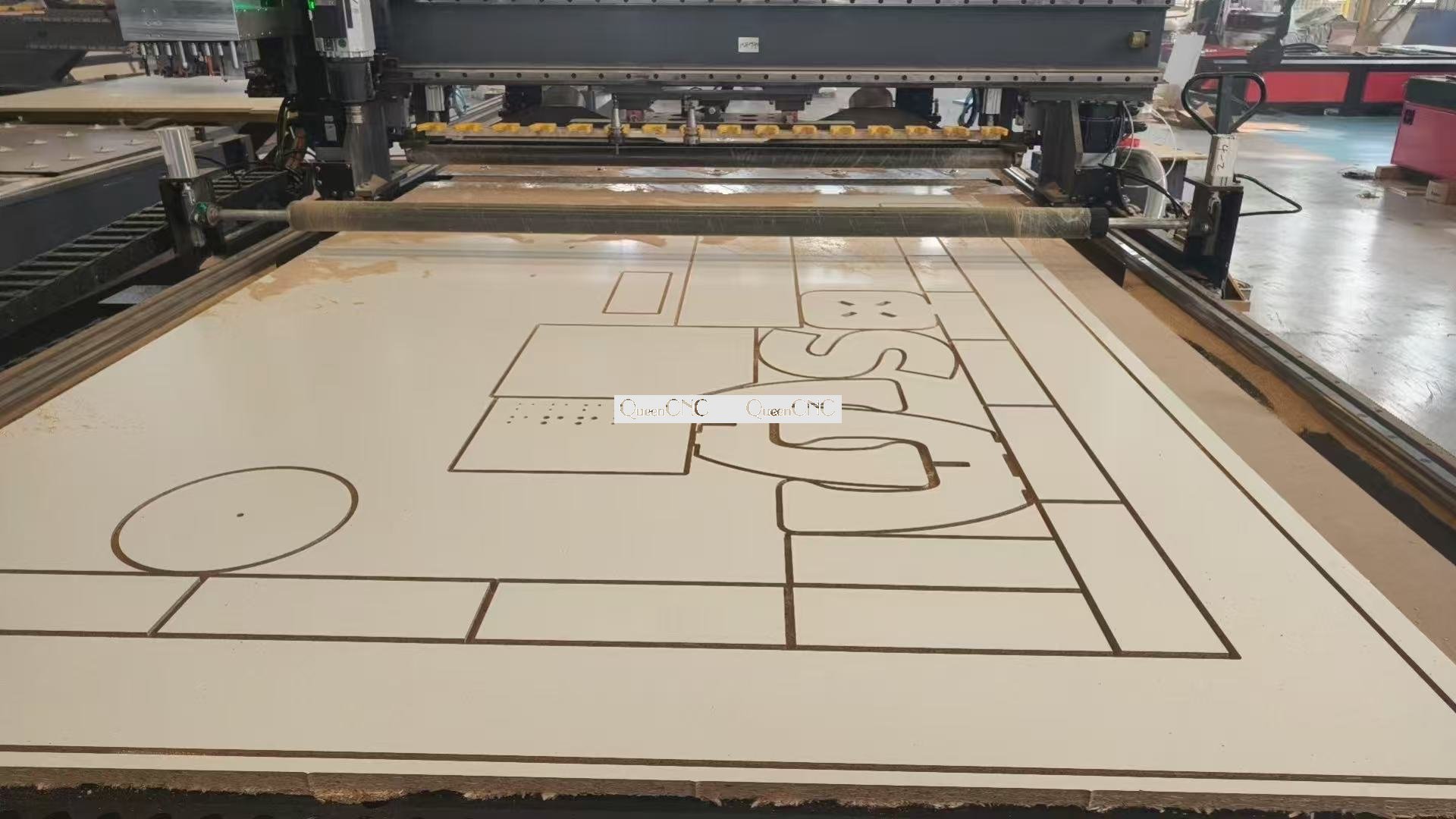
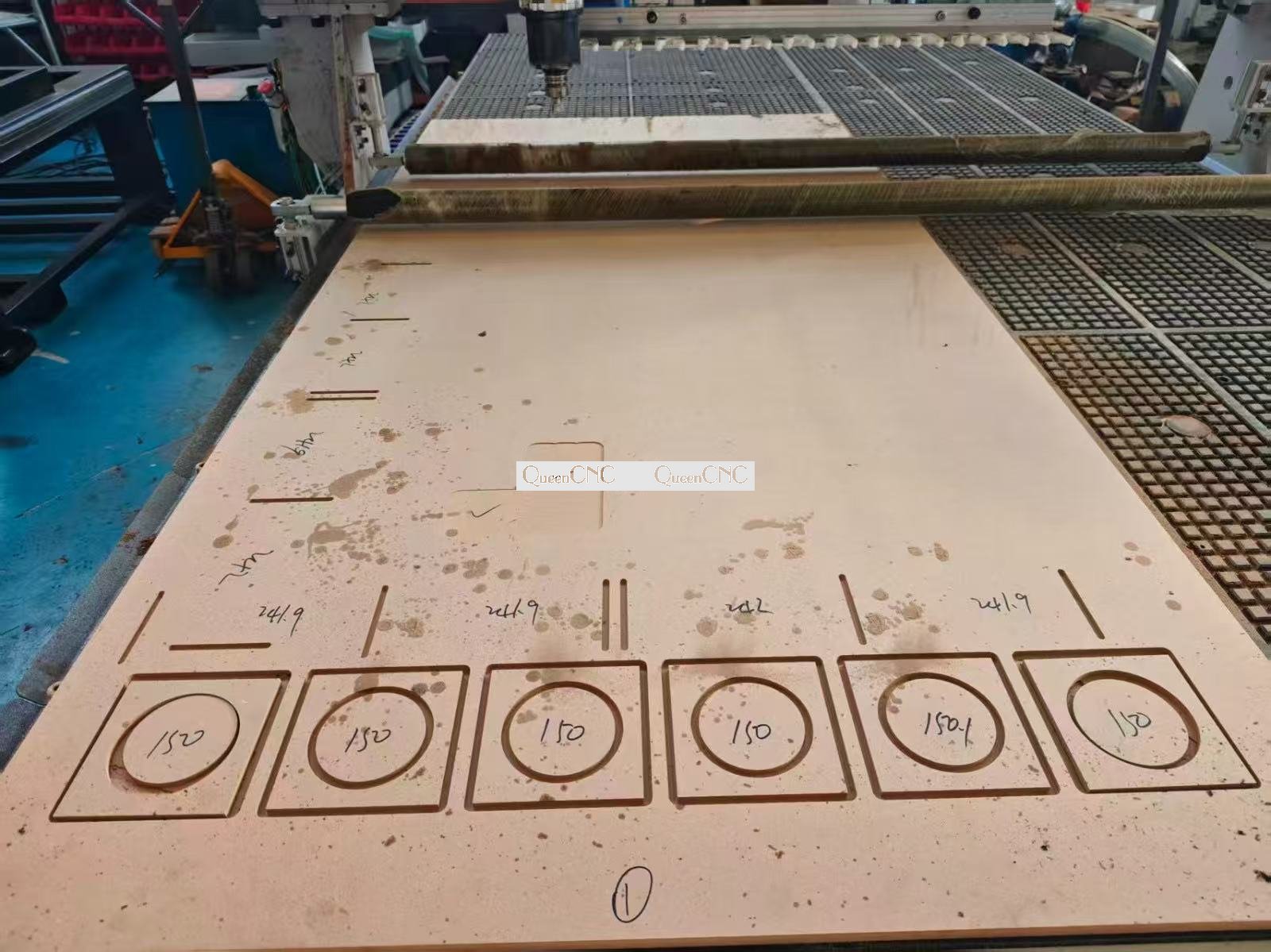
Where appropriate, functional testing can be supplemented with trial machining to evaluate the machine under practical working conditions.
For customized CNC solutions, testing should also consider the specific functions requested by the customer. This is particularly important for machines equipped with automatic loading and unloading, labeling, multi-spindle drilling, or other production-line features.
4. Final Appearance and Shipment Inspection
Before packing, the machine should receive a final inspection covering its external condition, major components, accessories, and agreed configuration.
Packaging and loading arrangements also matter, especially for international transportation. Proper protection helps reduce the risk of damage during handling and shipping.
For overseas orders, customers can request relevant inspection records, machine photographs, packaging images, and loading documentation according to the agreed delivery requirements.
Quality Control for Different CNC Router Applications
Different production environments require different inspection priorities.
ATC CNC routers for cabinet manufacturing: Tool-changing functions, spindle operation, drilling units where equipped, and vacuum workholding deserve particular attention.
CNC routers for custom woodworking: Spindle alignment, axis movement, and machining consistency are important for producing detailed components and customized parts.
Automatic nesting CNC production lines: In addition to machining functions, loading, unloading, labeling, and communication between configured systems should be checked.
Customized industrial CNC routers: Inspection requirements should reflect the machine's design, installed options, and intended application.
At QUEEN CNC, we recognize that a machine should be evaluated according to its actual configuration and intended use, not simply by its appearance or list of components.
What Should Buyers Ask a CNC Router Manufacturer?
Before purchasing a CNC router, overseas buyers should understand how the manufacturer verifies machine quality.
Here are several useful questions to ask:
-
What accuracy checks are performed during machine installation?
-
How is spindle alignment inspected?
-
Are the machine's axes and configured functions tested before shipment?
-
Can the manufacturer provide inspection photographs or videos?
-
Is trial machining available for the intended application?
-
Are the inspection requirements and acceptance criteria agreed upon before delivery?
Clear answers help buyers compare suppliers more effectively and understand what quality control is included in the manufacturing process.
QUEEN CNC: A Practical Approach to Machine Quality
At QUEEN CNC, we focus on the details that support dependable machine performance, from mechanical assembly and installation checks to functional testing and final inspection.
We manufacture CNC router solutions for a range of woodworking applications, including standard CNC routers, ATC CNC routers, nesting machines, and customized automation systems.
We understand that international customers need more than a machine that looks good in photographs. They need equipment that matches their production requirements, a clear understanding of its configuration, and a manufacturing partner who takes quality control seriously.
Our approach is to verify machine condition at appropriate stages, identify potential issues before shipment, and communicate clearly with customers about the equipment being supplied.
Looking for a CNC router manufacturer for your woodworking business?
Contact QUEEN CNC to discuss your materials, production requirements, machine configuration, and inspection expectations. We can help you identify a suitable CNC router solution for your application.
Frequently Asked Questions
How do you check CNC router accuracy?
CNC router accuracy can be evaluated through appropriate mechanical measurements, axis movement checks, spindle alignment inspections, and, where applicable, trial machining. The inspection method depends on the machine structure and the required acceptance criteria.
Why is a dial indicator used during CNC router installation?
A dial indicator helps measure small changes in position and alignment at selected points. It can assist technicians in identifying mechanical deviations during installation and adjustment.
Should a CNC router be tested before shipment?
Yes. Pre-shipment checks help verify the machine's assembly, axis operation, configured functions, and overall condition. The inspection scope should match the machine model and the customer's agreed requirements.
What should I check before buying an ATC CNC router?
Buyers should review the spindle and tool-changing configuration, CNC controller, drive system, vacuum workholding, applicable drilling functions, and the manufacturer's inspection and testing procedures. Requirements will vary according to the intended production application.
Can I request inspection photos and videos before shipment?
You can discuss this requirement with your supplier before placing an order. Inspection photographs, functional test videos, packaging records, and loading documentation can be agreed upon as part of the order and delivery process.
Does machine accuracy depend only on component brands?
No. Component quality is important, but machine accuracy also depends on mechanical design, assembly, alignment, calibration, operating conditions, and maintenance. A complete evaluation should consider the machine as a whole.
QUEEN CNC — CNC Router Solutions for Professional Woodworking
Contact our team to discuss your CNC router requirements and learn more about our manufacturing and quality inspection process.
 +86 15054192269
 sales@queen2012.com
 +86 15054192269
 +86 15054192269

